Women in Esports: Breaking Barriers and Rising Stars
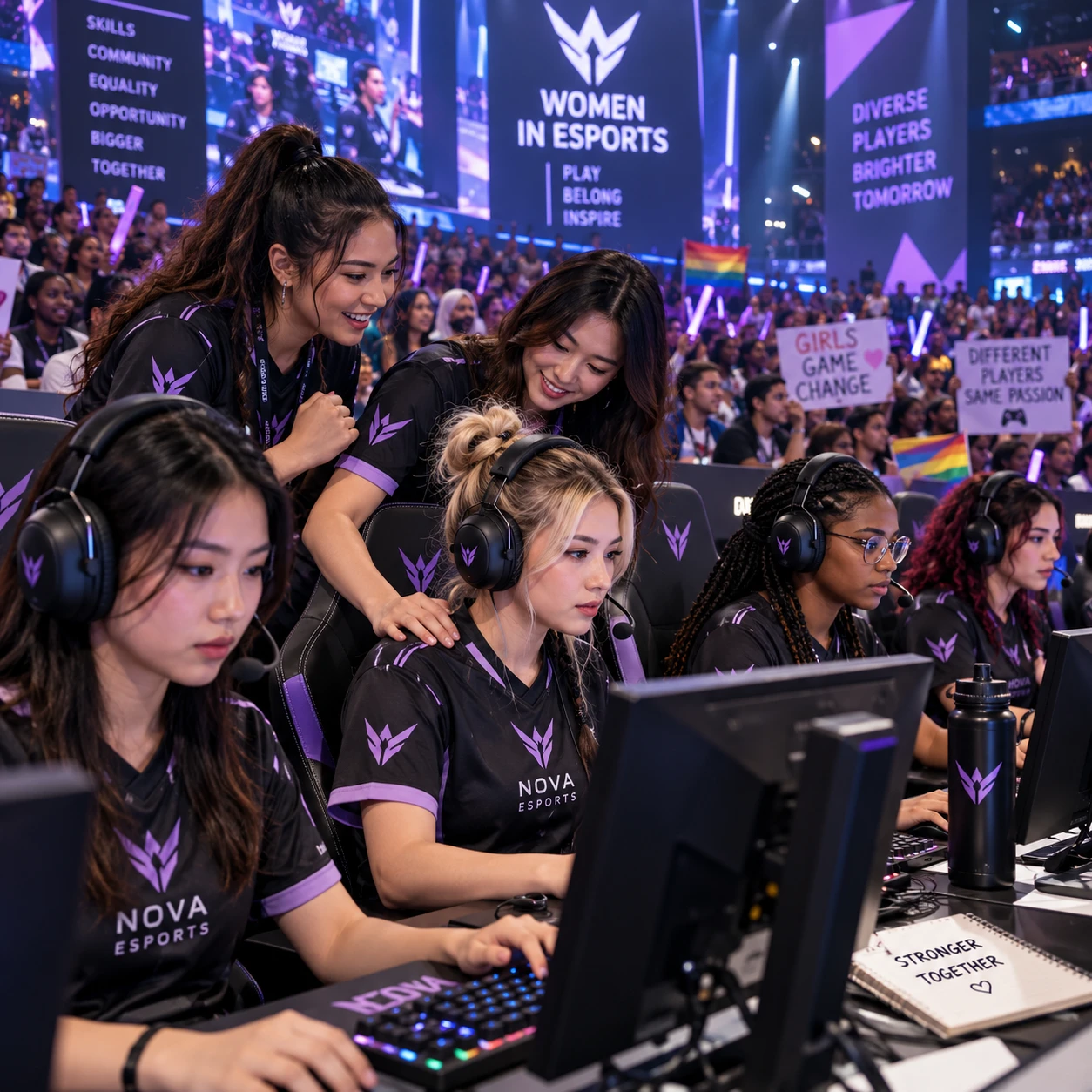
Women have long played, streamed, coached, organized, and competed in esports. Their presence is visible across titles and communities, yet access to elite competition and recognition remains uneven. Understanding that mix of progress and friction helps explain why representation matters, what women-led teams contribute, and how aspiring players can find a path into competitive gaming.
Women’s growing presence in competitive gaming
Women are active across competitive gaming as esports players, coaches, casters, analysts, team owners, and tournament staff. Greater visibility can help audiences see more routes into the scene and give emerging competitors role models, though representation alone does not guarantee equal opportunity.
Esports spans very different ecosystems. A player’s experience can depend on the game, region, competition format, and community around it. Some women compete in mixed-gender brackets; others build experience through women’s tournaments or leagues designed to create a focused entry point. These formats serve different needs and should not be treated as interchangeable.
Visibility has practical value. When broadcasts feature women’s matches and interviews, sponsors and teams can more readily recognize competitors’ skills and audiences can discover new talent. But a single headline event cannot replace regular tournament slots, fair prize structures, or sustained investment. Meaningful representation is a pattern across seasons, not a one-off spotlight.
Women also shape esports beyond the player seat. They build teams, lead communities, create analysis, and influence how games are presented to fans. Recognizing that work gives a fuller picture of competitive gaming and its talent pipeline.
Barriers women still face
Women in esports can face exclusion, harassment, limited visibility, and unequal access to training or professional opportunities. The severity varies by person and scene, but these barriers can make it harder to compete, build a reputation, and stay involved.
Harassment may happen in voice chat, social media, live broadcasts, or team spaces. Some competitors choose not to disclose their identity publicly or avoid voice communication to reduce unwanted attention. Those choices can protect a player’s comfort, but they may also limit networking and make it harder for audiences to recognize her contributions.
Access is another obstacle. Competitive teams may rely on informal networks for tryouts, practice partners, and coaching. If those networks are closed or dismissive, talented players can miss chances to demonstrate skill. Sponsorship and visibility can also be uneven: a competitor may need to prove both her performance and her commercial value in ways male peers are less often asked to justify.
These issues are connected. Harassment can drive players away; fewer visible competitors can then reinforce the mistaken idea that women are absent from high-level play. Community support means changing the conditions that sustain this cycle, rather than expecting individual players to absorb the cost.
Rising stars, teams, and pathways
Women are making their mark through individual competition, women-led teams, mixed rosters, content, and community events. Rather than relying on a short list of names that can quickly become outdated, look for current competitors in official league standings, tournament broadcasts, and team announcements.
Women-led teams and events can give players a place to develop communication, tournament experience, and team routines. They also help organizers test formats and build audiences. Their value is not limited to serving as a stepping stone to mixed competition: some players may prefer these environments, while others use them alongside open events.
Progress can be assessed through more than a headline win. Consider whether competitors receive regular match opportunities, clear pathways from qualifiers to main events, paid roles where appropriate, and coverage that discusses their play rather than reducing them to symbols. Consistent visibility makes it easier for fans, teams, and sponsors to follow a player’s development over time.
For accurate, up-to-date examples, check the tournament organizer’s official results and the player or team’s verified channels. Esports rosters and formats change quickly, so current records are more reliable than recycled lists of “rising stars.”
How tournaments and communities can improve inclusion
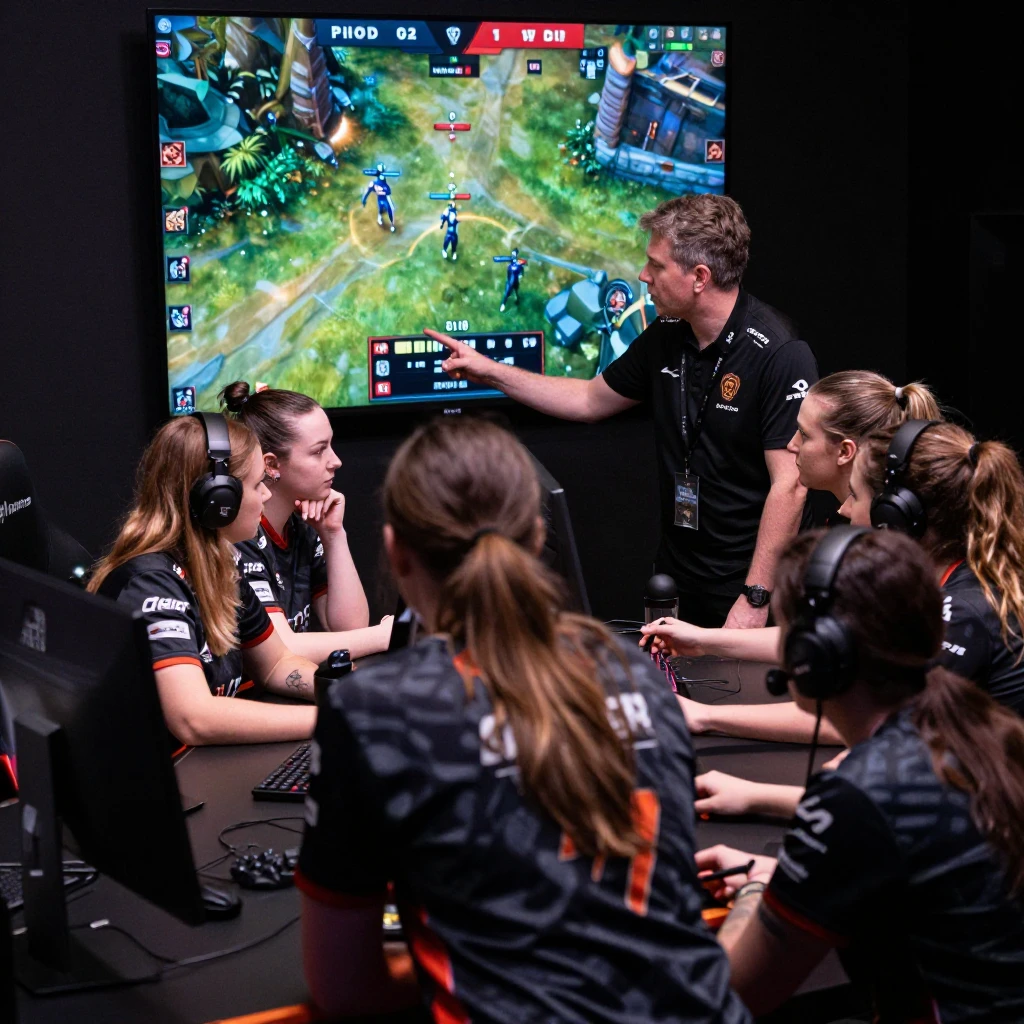
Tournaments and gaming communities can improve inclusion by making rules clear, enforcing conduct standards, and creating fair routes into competition. The strongest measures are practical, consistent, and applied to everyone involved, from players to staff and spectators.
For tournament organizers
- Publish eligibility rules, schedules, prize terms, and reporting procedures before registration opens.
- Set clear standards for harassment and discriminatory conduct, then explain how reports are handled.
- Offer predictable competition opportunities, including open brackets and, where useful, women’s divisions or development events.
- Review how broadcasts describe competitors. Focus on gameplay, decisions, and results rather than appearance or identity.
For teams and communities
- Make tryout criteria visible and provide a route for players outside existing friend groups to apply.
- Train moderators and staff to respond to harassment instead of leaving targets to manage it alone.
- Pay attention to retention: ask why players leave and whether practice schedules, communication norms, or team culture are part of the problem.
- Support women competitors through coaching, scrim access, promotion, and sponsorship conversations tied to their work and goals.
There are trade-offs to consider. A women-only event can create a more comfortable competitive space and attract focused support, but it may also receive less exposure if organizers treat it as a side attraction. Open competition can increase access to mixed brackets, yet it does not by itself solve hostile behavior or unequal recruitment. Good inclusion design offers meaningful choices and evaluates the results.
Getting started in esports
To get started in esports, choose a game and role, build a consistent practice routine, enter low-pressure competitions, and connect with teams or communities that have clear standards. A simple plan makes progress easier to track without requiring expensive equipment or an immediate commitment to a professional career.
- Choose a competitive focus. Pick a game you enjoy enough to study, then learn its ranked system, tournament rules, and current competitive formats.
- Practice with a purpose. Set one or two weekly goals, such as improving map awareness or reviewing decision-making. Save match clips and look for repeated patterns, not just isolated mistakes.
- Find structured competition. Try community cups, online qualifiers, collegiate esports if available, or beginner-friendly leagues. Read rules and eligibility requirements before paying an entry fee or sharing personal information.
- Build relationships safely. Join moderated servers, attend local events, and ask players about scrims or tryouts. Use official team channels where possible, and keep boundaries around private details and direct messages.
- Review your next step. After a few events, assess your results, enjoyment, schedule, and access to coaching. You might pursue a roster, compete casually, or contribute through casting, analysis, or event production.
A common mistake is treating rank as the only proof of readiness. Rank can show progress, but teams also value communication, reliability, flexibility, and performance under tournament rules. Another is joining a group simply because it offers exposure. Ask about expectations, moderation, practice commitments, and compensation before agreeing to a role.
What progress could look like next
Progress in women’s esports means sustained access to competition, safer communities, fair recognition, and investment that lasts beyond a single campaign. It also means allowing different players to define success for themselves, whether that is a professional roster, a regional tournament, or a long-term role in the industry.
Teams and organizers can track concrete signals: repeat participation, retention between events, advancement from qualifiers, the range of women featured in broadcasts, and whether conduct policies are enforced consistently. These measures do not capture every experience, but they reveal whether opportunity is becoming routine rather than exceptional.
Fans have influence too. Watch women’s matches, share tournament coverage, follow players’ own channels, and discuss performance with the same attention given to any competitor. Sponsors can support recurring events and player development instead of relying only on short-term visibility. None of these actions solves every gender barrier, but together they can make the scene more accessible and rewarding to enter.
The next generation of esports talent will emerge where skill has room to grow. That takes more than applause after a breakthrough: it takes fair brackets, dependable support, and communities willing to hold themselves accountable.