How to Improve Your Aim in FPS Games: Pro Tips and Drills
Understanding the Basics of Aim
Aim in FPS games involves three core skills: aim accuracy, tracking, and flick shots. Aim accuracy is hitting your target precisely, tracking is smoothly following moving targets, and flick shots are quick, precise movements from one point to another.
Mastering these fundamentals builds a solid foundation for improving your overall performance. Accuracy ensures you consistently land shots, while tracking helps maintain pressure on moving enemies, and flick shots enable fast target switches during hectic encounters.
FPS games demand a balance of these aiming skills influenced by game mechanics and weapon types. For example, tracking is critical with automatic weapons, whereas flick shots dominate with sniper rifles. Understanding what type of aim each scenario requires makes training more effective and focused.
Essential Equipment and Settings for Better Aim
Optimizing equipment and settings is crucial to maximizing aim accuracy and reaction time. Mouse sensitivity and DPI (dots per inch) directly influence how fast and precise your cursor moves. Lower sensitivity often improves precision but requires larger hand movements, while higher sensitivity allows quicker turning at the cost of fine control.
Customizing crosshair placement tailored to your preferences helps maintain focus on enemy positions and reduces reaction delays. Most pros prefer minimalistic, brightly colored crosshairs that contrast with backgrounds for clear visibility.
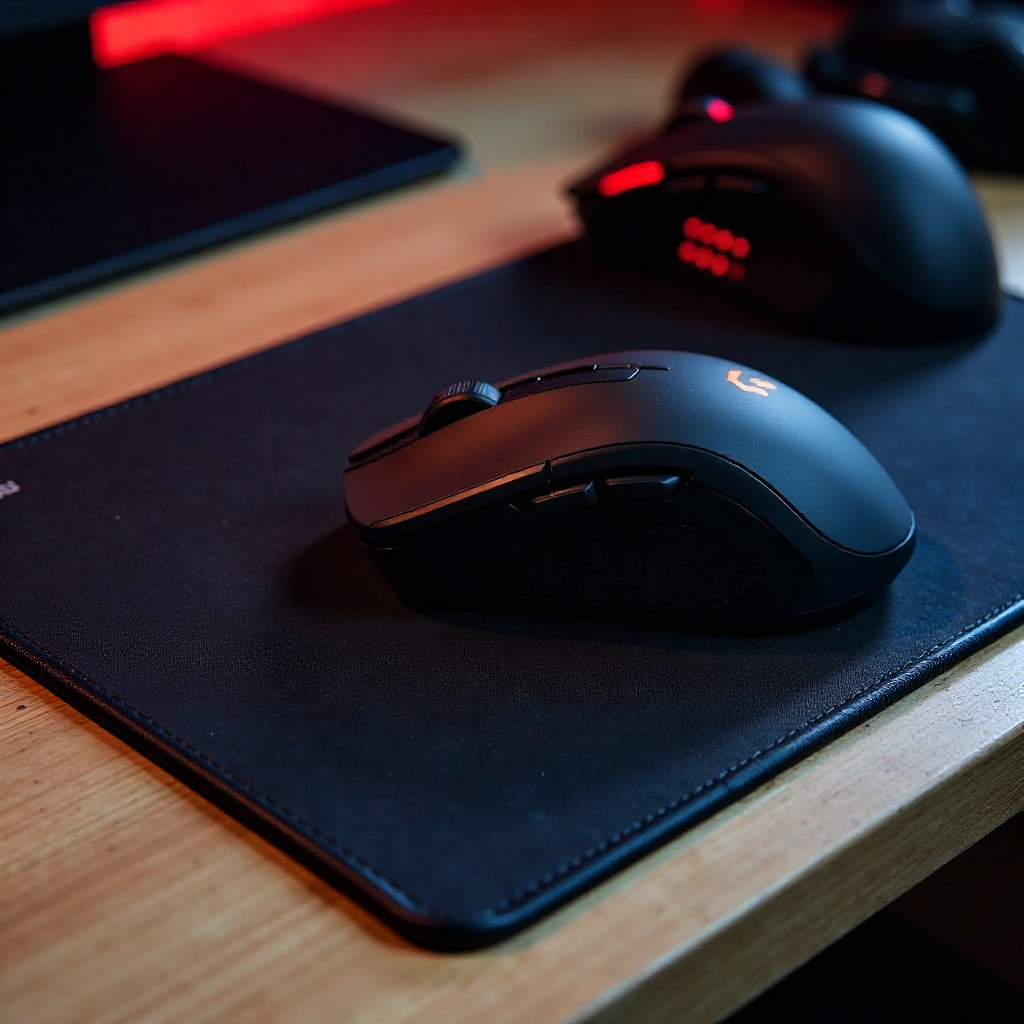
Gaming peripherals play a significant role in aim performance. Investing in a high-quality gaming mouse with adjustable DPI, a large mousepad for smooth movements, and a monitor with a high refresh rate and low response time reduces input lag and motion blur. These hardware choices enhance muscle memory development and overall consistency.
Proven Aim Training Drills and Exercises
Effective aim training drills target key skills like flick shots, target tracking, and rapid target switching to engrain muscle memory.
- Flick shot drills: Practice snapping your crosshair quickly and accurately to static or randomly placed targets. This improves reflexes and control in sudden encounters.
- Tracking drills: Focus on smoothly following moving targets with steady hand motions. This trains your ability to maintain aim on moving opponents during gunfights.
- Target switching: Alternate between multiple targets rapidly to sharpen speed and precision when engaging multiple enemies.
Regularly combining these drills in aim trainers or in-game custom modes builds neural pathways essential for fast and automatic aiming—known as muscle memory. Consistency in performing these exercises daily accelerates long-term improvement.
Developing Consistency: Warm-ups and Routine Practice
Establishing daily warm-ups and consistent practice routines is key to improving and retaining aiming skills. A warm-up prepares your muscles and reflexes, reducing errors during gameplay.
A typical warm-up might include 10-15 minutes of flick shots and tracking exercises using an aim trainer or a game warm-up map. Following this with focused drills tailored to your weaknesses reinforces skill gaps.
Consistency beats sporadic burst training — spending 20-30 minutes every day aiming builds and maintains muscle memory far better than occasional marathon sessions. Tracking your progress with performance metrics helps identify plateaus and adjust routines accordingly.
Common Mistakes to Avoid While Aiming
Many players hinder their aim improvement by falling into common traps such as over-aiming, poor crosshair placement, and bad posture.
- Over-aiming: Trying to move the crosshair too fast or overshooting targets causes missed shots. Focusing on small, precise movements corrects this issue.
- Poor crosshair placement: Keeping your crosshair low or away from probable enemy locations wastes crucial reaction time. Train to keep the crosshair at head or chest height and near corners to reduce flick distance.
- Bad posture: Slouching or cramped setups restrict arm movement and cause fatigue. Maintaining an ergonomic position with a relaxed wrist and forearm promotes longer, more accurate sessions.
Correcting these errors early saves time and builds better habits that pay off in game performance.
Learning from the Pros: Tips Used by Esports Players
Esports professionals emphasize deliberate practice, mindset, and physical conditioning to raise their aiming to elite levels. They maintain low mouse sensitivity to enhance precision and customize crosshairs and settings to reduce distractions.
Daily warm-ups focus on building muscle memory through repetitive, targeted drills. Pros stress the value of mental focus, encouraging players to stay calm under pressure and make controlled movements rather than frantic flicks.
Many adopt strategies like breaking practice into short, intense segments with rests to prevent burnout. Investing in ergonomic gear tailored to individual grip and movement style also distinguishes their setup. Their routines highlight the balance between technical skill and mental endurance required for sustained success.
How Hardware Influences Your Aim
Hardware choices can significantly impact your aiming performance in FPS games. Monitors with high refresh rates (144Hz or more) and low response times provide smoother visuals, enabling quicker target acquisition and better reaction time.
A quality mousepad designed for gaming ensures consistent glide and control during intense sessions. Moreover, gaming mice with adjustable DPI provide the precision and speed balance needed for different aiming scenarios.
However, even the best hardware can’t replace regular training and proper technique. Choosing equipment that feels comfortable and matches your playstyle enhances practice effectiveness without causing fatigue or strain.
Frequently Asked Questions
How often should I practice aiming drills?
Practicing for 20-30 minutes daily yields the best results for building and maintaining aiming skills. Consistency is more important than long but sporadic sessions.
What is the ideal mouse sensitivity for FPS games?
There is no one-size-fits-all sensitivity, but many pros use low to medium DPI settings (400-800) combined with in-game sensitivity that allow precise, controlled movements while covering enough screen space comfortably.
Can aim be improved naturally without training tools?
Yes, aim can improve through regular gameplay and experience. However, using aim training drills accelerates progress by targeting specific weaknesses and building muscle memory faster.
What are the best free aim trainers available?
Popular free aim trainers include Aim Lab and KovaaK’s FPS Aim Trainer. Both offer customizable drills that adapt to your skill level and track improvement.
How important is mental focus in improving aim?
Mental focus is critical; staying calm and composed under pressure allows smoother movements, better decision-making, and consistent accuracy, especially in competitive FPS play.
For more detailed insights on improving reaction time in gaming, you can explore resources such as the Reaction Time article on Wikipedia.